Why user focus matters from day one
Bringing together innovators from the University of Zurich, the Fall Edition of Innovator Morning explored how promising ideas can become solutions that address real-world challenges and create value for society. Through shared experiences from the entrepreneurial journey, participants gained insights into understanding users, navigating uncertainty, and building a venture.
Waldemar Hoffmann, CEO and Co-Founder of Apersys AG, shared his journey in a Q&A hosted by Anna Hanzl, project manager at the UZH Translational Medicine Accelerator.
Hoffmann reflected on the transition from academic research to a commercial venture, drawing on his experience in larger corporations, where he gained valuable knowledge of medical device development and regulatory processes. Yet he was also drawn to building, structuring and initiating new things. Combined with a personal motivation to help patients in need of a life-saving therapy or intervention, this led him to join Apersys in 2022. At that time the startup was still an academic project, Liver4Life, a joint project between ETH Zurich, UZH and University Hospital Zurich (USZ).
One key lesson stood out: understanding the end user must be a priority from day one. Even technically promising innovations need to address the needs of the people who will use them, as well as those involved in adopting them. This means talking to users early, testing assumptions and being ready to adapt as new insights emerge.
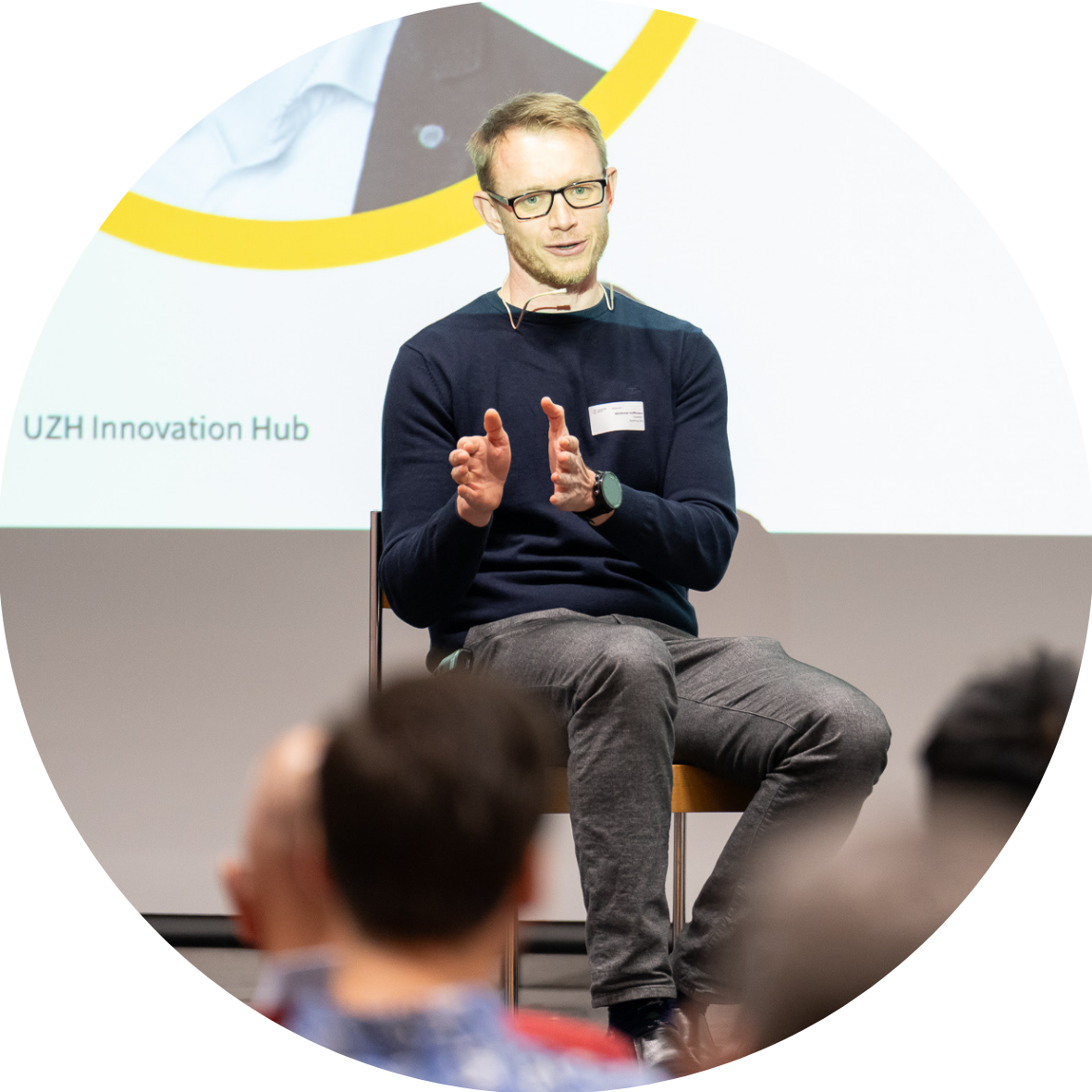
«You don't have to wait until your technology is perfect to start validating it. Get out there, talk to users and be open to having your assumptions challenged.»
Hoffmann also spoke candidly about the challenges of building a medical device company. Fundraising, regulatory requirements, market entry and team development rarely follow a straight path. His experience underlined the value of bringing the right expertise into the team early, learning from investor conversations and adapting the business roadmap while keeping the long-term goal in sight.

«Don’t be afraid to have very direct conversations with investors. You can learn a lot from them, even when they don’t invest».
The importance of testing assumptions also came through in the experience shared by Rafael Hernández-Pachón, a participant in the UZH Innovation Hub’s Market Validation Lab. He presented Caravana, an app-supported walking school bus initiative with pilots underway in Bogotá and Santiago. The project aims to help children walk to school together in communities where trust is scarce, significantly increasing school attendance.
Looking back on the project’s market validation journey, Hernández-Pachón highlighted the importance of not only engaging parents but also schools and decision makers early and clarifying roles and responsibilities from the outset.
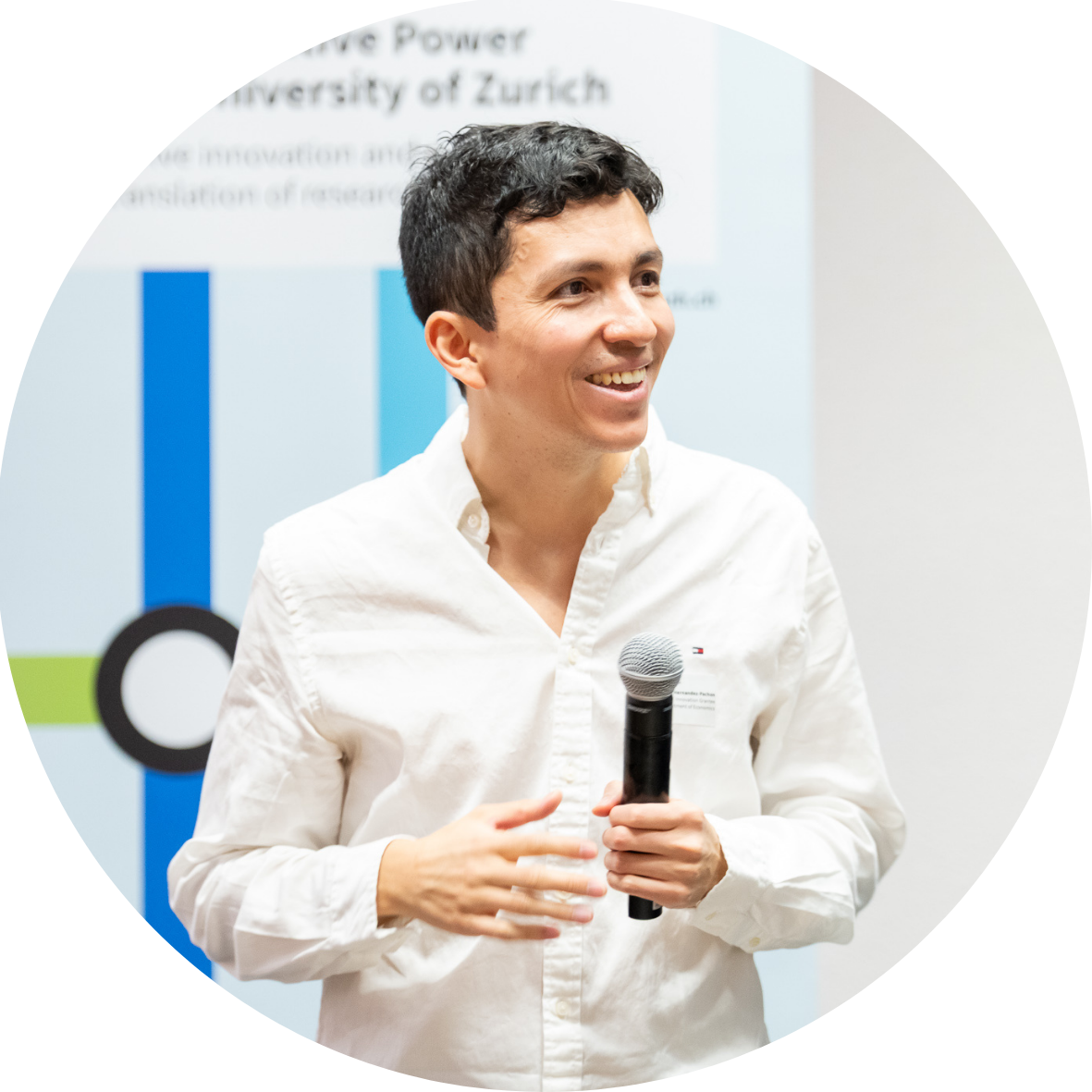
«We learned that market validation starts with talking to people. Understanding who makes the decisions, what users need and what builds trust is essential before deciding what to build.»
Although Apersys and Caravana work in very different fields, both experiences point to the value of staying close to the people an innovation aims to serve throughout different development cycles.
The Innovator Mornings offer the UZH community peer-to-peer and honest exchange on key aspects of sciencepreneurship.

